
Doc's Moral Bargain
Inherent ViceThis flow follows Doc's refusal to become an informant, his eventual use of illicit leverage, and the uneasy choice to secure people rather than claim money.
increasing Bearing strength in each event
 decreasing
Bearing strength in each eventdecreasingA Freelancer's Code
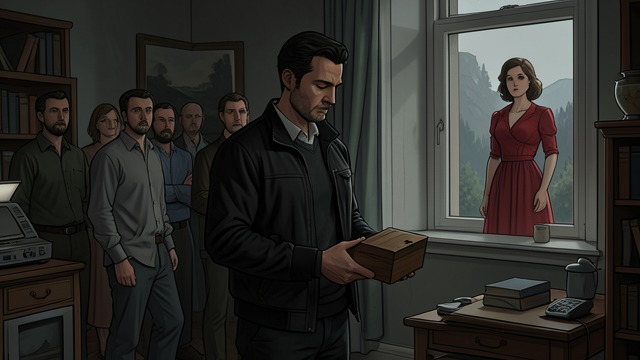
A Man Outside the System
Informal Work
Doc works as a licensed investigator but has little affection for police institutions. He takes Shasta's case without a clear fee and follows leads through personal contacts and street knowledge.
A Personal Standard
His refusal to betray clients is imperfect but meaningful. He believes that confidentiality matters precisely because the agencies around him treat people as sources, suspects, or assets.
An Offer to Inform
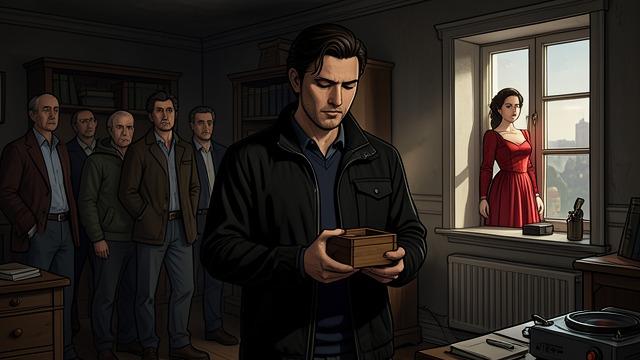
Recruitment on the Overlook
A Public Job Offer
Bigfoot proposes that Doc work as an informant for the police, offering money and access to seized drugs. The offer is framed as a realistic response to financial need and a changing surveillance world.
A Refusal
Doc rejects the proposition because it would turn his relationships into intelligence. His decision preserves a moral boundary but increases his isolation from people who possess official power.
A Case of Complicity
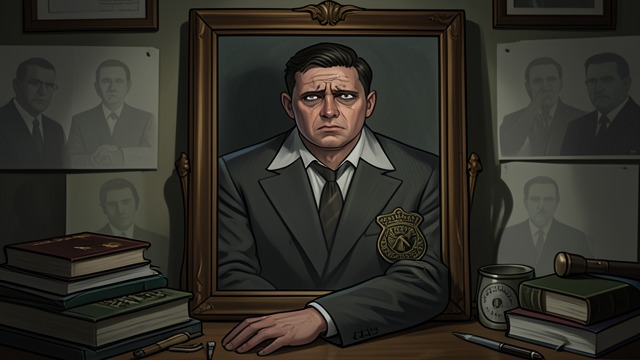
The Investigator's Reflection
A Mirror in Coy
Coy's work as an informant unsettles Doc because Coy, like Doc, never wanted to be a conventional agent of law. Shasta suggests that both men may have ended up working for people whose interests they do not share.
A Damaged Self-Image
Doc reviews the wealthy clients who have paid him over the years and wonders whether his work has served the powerful more than the vulnerable. His professional identity becomes a moral question rather than a source of pride.
The Violent Turning Point
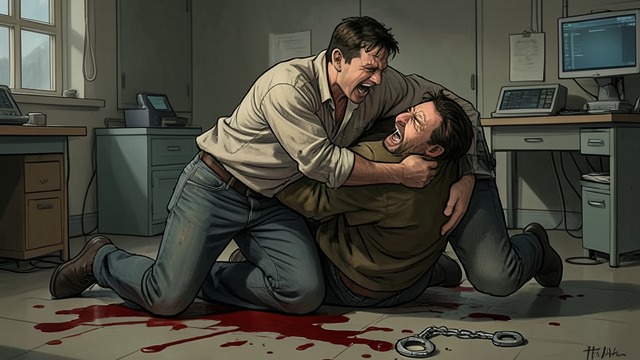
Doc Fights to Get Out
Imprisonment and Escape
Puck drugs Doc with PCP, confines him, and prepares to kill him. Doc escapes his handcuffs and attacks Puck, then exchanges gunfire with Adrian Prussia.
The Cost of Survival
The violence puts Doc inside the very criminal world he has spent years investigating. He survives, but his actions cannot be separated from the broken institutions and private violence that made them feel necessary.
People Before Payment
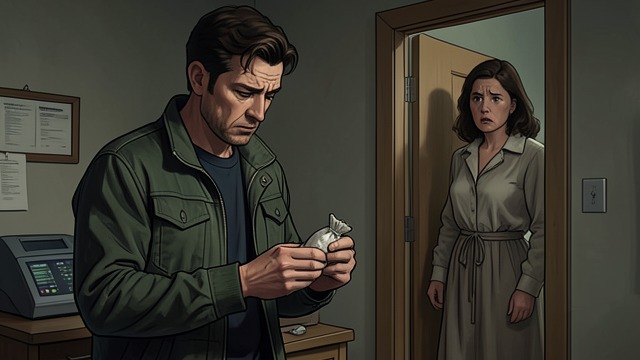
A Transaction for Safety
The Heroin as Leverage
Doc refuses the offered cash and asks for protection for Coy and other people in his life. Crocker Fenway agrees to help arrange a separation from the covert employers.
A Compromised Victory
Doc returns the heroin rather than keep or sell it, but he does not receive a guarantee from a trustworthy institution. His choice reflects a practical ethic: immediate safety matters more than a clean victory or a fee.
At the start of the case
After Bigfoot releases Doc
After Doc sees Coy at the Nixon rally
Near the climax
In the final exchange with Crocker Fenway
